Fuzion Companies™
Faith. Service. Precision. Community.
Pursuing DBE Certifications Minority & Native American Woman-Owned
Founded by Donna Webb · Proud Chickasaw Nation Citizen · Calera, Oklahoma
Fuzion Chickasaw Group™ · Calera, Oklahoma

Thoughtful Technology
for Mission-Driven Organizations & Tribes

Founded by Proud Chickasaw Nation Citizen Donna Webb — we deliver business and technology consulting built for Native American tribes, tribal enterprises, and mission-driven organizations where sovereignty, precision, and community matter most.

2025
Founded
in Oklahoma
35+
Years Combined
Experience
426+
Delivery
Artifacts
Founder · Proud Chickasaw Nation Citizen
Donna Webb
Founder & CEO, Fuzion Chickasaw Group
"We built Fuzion Chickasaw Group because our community deserves the same caliber of technology and operational expertise that we've delivered for enterprise clients — delivered by people who understand sovereignty, trust, and long-term impact."
Donna co-founded Fuzion Consulting Group in 2019 alongside Dan Goretskie and has led operations across utility, construction, and enterprise technology engagements. As a proud Chickasaw Nation Citizen, she brings authentic community connection alongside deep operational and technology expertise to every engagement.
Proud Chickasaw Nation Citizen Co-Founder · Fuzion Consulting Group
Built on Proven Experience
Fuzion Chickasaw Group was founded by the same leadership team behind Fuzion Consulting Group — bringing 35+ years of combined professional experience directly to tribal and community-focused organizations.
See Founding Team Project History →
Serving
Why Fuzion Chickasaw Group™

A Consulting Partner Who Understands Your World

We're not a large firm parachuting in. We're a Native-led, values-driven consulting team that understands sovereignty, community accountability, and the operational realities of tribal organizations.

Talk to Our Team Our Story →
  • 01
    Native-Led & Community-Rooted
    Founded by Proud Chickasaw Nation Citizen Donna Webb — our leadership brings authentic community understanding, not just technical expertise. We are part of the world we serve.
  • 02
    Sovereignty-Aware Technology
    We design systems that respect tribal governance structures, data sovereignty, and compliance requirements unique to Native American organizations and enterprises.
  • 03
    Proven Enterprise Experience
    Our founding team brings over 5 years of delivery history from Fuzion Consulting Group — including complex utility, construction, and document management programs.
  • 04
    Long-Term Partnership
    We build lasting relationships, not quick engagements. Our goal is to strengthen your organization's capacity and independence over time.
35+
Years of Combined Professional Experience
Our founding leadership team brings deep expertise across utilities, construction, engineering, enterprise technology, and program management — now focused on tribal and community organizations.
Certification Status
Pursuing DBE Certifications — MWBE & Native American Woman-Owned
Fuzion Chickasaw Group is actively pursuing Native American and Woman-Owned business certifications, reflecting our long-term commitment to serving Native American organizations and underserved markets with integrity and accountability.
Certification In Progress · 2025–2026
Tribal & Community Focus

Services Designed for Tribal & Native Organizations

Tribal Construction & Document Management
Project, document, and field management solutions for tribal housing authorities, infrastructure projects, and construction programs — built for compliance and scale.
Construction / Housing
Tribal Government Modernization
Workflow automation, reporting, and digital platforms that strengthen tribal government operations while respecting governance structures and sovereignty requirements.
Governance / Compliance
Program & Project Management
Structured program delivery, PMO support, and governance frameworks for tribal enterprise and federally funded programs requiring accountability and auditability.
PMO / Program Delivery
Technology & AI Solutions
Practical AI, automation, and Microsoft 365 solutions tailored to tribal organizations — from field productivity tools to data governance platforms built with sovereignty in mind.
AI / M365 / Cloud
Data Sovereignty & Reporting
Reporting and analytics frameworks that keep tribal data secure, visible, and governed — giving leadership the operational insight they need while maintaining data sovereignty.
Data / Reporting
Nonprofit & Community Support
Process improvement, automation, and technology for nonprofits and community organizations — including disaster response logistics and workforce development platforms.
Nonprofit / Community
Part of Something Bigger

One Family.
Two Operating Companies. Three Product Families.

Fuzion Chickasaw Group™ is one member of Fuzion Companies™. We lead the Fuzion Storm Works™ product family (Take Cover™ and Fuzion Storm Works™ for community safety), and together with Fuzion Consulting Group™ we co-built SB217™ and Support Beacon Relief™ for Rancher Navy — establishing the new Logistics division across both companies.

Parent Brand
Fuzion Companies™
Faith. Service. Precision. Community.
Operating Companies
Fuzion Chickasaw · You Are Here
Fuzion Chickasaw Group™
Native American tribal partnerships, government, and disaster relief — built to honor sovereignty and serve mission-driven clients.
Calera, OK · Pursuing DBE Certifications · Est. 2025
FCG · Sister Company
Fuzion Consulting Group™
Enterprise consulting, technology, and operations — built to serve regulated environments and mission-critical clients.
Olathe, KS · Technology Consulting · Est. 2019
Product Families
Led by Fuzion Chickasaw · You Lead This
Fuzion Storm Works™
Technology for community safety — connecting residents to storm shelters and empowering tribal governments and housing communities with life-saving tools.
Take Cover™Live · In Testing
Fuzion Storm Works™Roadmap
View Fuzion Storm Works™ on Fuzion Companies →
Joint FCG + Fuzion Chickasaw Build · Born Feb 17 (Ranger Road Fire)
SB217™
Disaster relief and logistics platforms born from the Ranger Road Fire and the partnership with Rancher Navy — technology as a force for good.
Support Beacon Relief™Live · Rancher Navy
Support Beacon Logistics™In Development
Built from FCG Field Experience
The Works Suite™
Construction, engineering, and project management platforms for EPC, utility, and regulated capital programs.
Fuzion365 Fieldworks™Live
Construct Works™Jan 2027
ProjectWorks™Jan 2027
How These Connect
01
SB217™
Born from a joint Fuzion Chickasaw Group + Fuzion Consulting Group pro bono build for Rancher Navy following the Ranger Road Fire of February 17. This work established the new Logistics division across both companies.
02
The Works Suite™
Built from FCG’s years of construction and engineering field experience. A sister product family that operates independently from SB217™ — same parent, different origins.
03
Fuzion Storm Works™
Our own product family — built by Fuzion Chickasaw Group™ for community safety. Take Cover™ maps storm shelters in individual housing communities. The roadmap expands into emergency preparedness technology serving tribal nations and municipalities.
Client Impact

What Our Clients Experience

Our clients operate in complex, regulated environments where precision and accountability are non-negotiable. Here's what they say about working with our founding team.

"

"Fuzion completed a full IT discovery of our mission-critical platform in under 6 weeks — something we'd been trying to accomplish internally for well over a year. The artifacts they delivered were immediately actionable."

GO
Director of Generation Operations
Major Electric Utility · Arizona
"

"Their team has a rare ability to bridge the gap between what IT builds and what our operations teams actually need. The result is technology that gets adopted — not abandoned after rollout."

PM
Program Manager
Regulated Generation Environment · Southwest
"

"Fuzion brought discipline and clarity to a complex modernization initiative. They don't just deliver documents — they deliver understanding and momentum. Our team trusted them from day one."

IT
IT Program Director
Enterprise Utility Client · 2021–Present
ℹ️ Client names are withheld per confidentiality agreements. References are available upon request for qualified engagements.
Fuzion Companies™ Portfolio

Part of a Growing Family of Companies

United by Faith. Service. Precision. Community. — each Fuzion company brings focused expertise to a distinct market while sharing the same values-driven foundation.

Fuzion Chickasaw Group™
Native American · Woman-Owned Consulting
Founded by Proud Chickasaw Nation Citizen Donna Webb — delivering sovereignty-aware technology and consulting to Native American tribes, tribal enterprises, and community organizations.
fuzionchickasawgroup.com →
Pursuing DBE Certifications
Fuzion Consulting Group™
Business & Technology Consulting
Our founding company — enterprise modernization, AI solutions, and operational consulting across regulated industries. The proven team behind Fuzion Chickasaw Group's delivery experience.
fuzionconsultinggroup.com →
Technology Consulting · 2019
SB217™
Platform Suite · sb217platform.com
SB217™ houses the Fuzion Companies™ product suite — including Support Beacon Relief™ (now live and in field testing with nonprofit partner Rancher Navy), Support Beacon Rescue™, Support Beacon Logistics™, ProjectWorks™, Fuzion365 Fieldworks, and Take Cover™.
sb217platform.com →
Support Beacon Relief™
Disaster Relief · Nonprofit Platform
Dan Goretskie volunteered to haul hay and connected with Rancher Navy founders Morgan Broome and Amy Houston Gaddis. Fuzion Chickasaw Group™ and Fuzion Consulting Group™ co-built Support Beacon Relief™ together — the first joint project under the Fuzion Companies™ umbrella, and the connection that united both companies as a family. Licensed to Rancher Navy at no charge.
supportbeaconrelief.com →
Trademarked · Fuzion Companies™
Support Beacon Logistics™
Commercial Logistics · In Development
The commercial expansion of the Support Beacon platform — AI-enabled logistics for enterprise clients. Co-developed by both Fuzion companies for commercial markets beyond nonprofit disaster relief.
Trademarked · In Development
Rancher Navy — Texas Farm and Ranch Disaster Relief
Nonprofit Partner · ranchernavy.org · Est. 2022
Founded by Morgan Broome and Amy Houston Gaddis, Rancher Navy is the nonprofit partner whose mission gave Fuzion Consulting Group™ and Fuzion Chickasaw Group™ their first reason to build something together under Fuzion Companies™. Support Beacon Relief™ was co-built by both companies and licensed to Rancher Navy at no charge — the partnership that made the parent umbrella real.
ranchernavy.org →
Ready to Work with a Partner
Who Understands Your Community?
Sovereignty-aware technology. Values-driven delivery. Long-term partnership.
Fuzion Companies™
Faith. Service. Precision. Community.
Pursuing DBE CertificationsMinority & Native American Woman-Owned
Founded by Donna Webb · Chickasaw Nation
Capabilities

Consulting Built for Tribal & Mission-Driven Organizations

Built on the delivery foundation of Fuzion Consulting Group — tailored for organizations where sovereignty, community accountability, and long-term sustainability matter most.

Tribal & Community Priority Services
Learn More →
Business & Professional Consulting
Learn More →
Technology Consulting
Learn More →
Talk to Our Team See Our Project Experience →
Every Capability is Backed
by Real Delivery Experience
Not theoretical — executed in complex, regulated environments by our founding team.
Fuzion Companies™
Faith. Service. Precision. Community.
Pursuing DBE CertificationsMinority & Native American Woman-Owned
Founded by Donna Webb · Chickasaw Nation
Product Catalog

Software born in the work.

Purpose-built platforms for programs that cannot afford ambiguity. Explore products for regulated capital delivery, community response, logistics, and severe-weather preparedness—with ownership and availability clearly identified.

Fuzion Consulting Group Offering

The Works Suite™

Capital delivery, made operational. Construction, engineering, and program-management products developed from Fuzion Consulting Group’s experience supporting complex, regulated operations.

Read Suite Overview PDF ↗
In Testing · The Works Suite™

Fuzion ProjectWorks™

Long-range forecasts, project controls, and compliance support for capital work that needs a clear, durable record.

PurposeProject controls & forecasts
DeploymentSaaS or private Microsoft tenant
In Testing · The Works Suite™

Fuzion ConstructWorks™

AI document and construction management for the decisions, documents, and coordination surrounding complex builds.

PurposeAI document & construction management
DeploymentFuzion-hosted or customer-Azure PaaS
Live · The Works Suite™

Fuzion365 FieldWorks™

Microsoft 365 field execution with Bluebeam connectivity and modular delivery for teams closer to the work.

PurposeM365 field execution & Bluebeam
DeploymentSaaS or private Microsoft tenant
In Development · The Works Suite™

Fuzion ProgramWorks™

Capital-program governance built around gates, KPIs, and escalations so leaders can see the program—not just its parts.

PurposeProgram governance, gates & KPIs
DeploymentSaaS or private tenant, including GCC/GCC High
Joint Fuzion Development

SB217™ / Support Beacon

Technology supporting relief, rescue, and the logistics that make both possible—delivered jointly by Fuzion Consulting Group™ and Fuzion Chickasaw Group™.

Live · Joint Delivery

Support Beacon Relief™

Disaster-relief coordination for donors, volunteers, dispatch, and the people connecting help to urgent needs.

In Testing · Joint Delivery

Support Beacon Rescue™

Volunteer search-and-rescue deployment support for team location, assignments, and coordinated response.

Spring 2027 Target · In Development

Support Beacon Logistics™

Planned enterprise logistics for fleet, warehouse, yard, load, and field-delivery operations.

Built and Owned by Fuzion Chickasaw Group™

Community safety has its own platform.

Fuzion Storm Works™ and Take Cover™ are Chickasaw-owned community-safety offerings. Take Cover is live now; the broader Storm Works platform remains on the roadmap.

Live · Available Now

Take Cover™

Community severe-weather preparedness developed with local EMS collaboration in Calera, Oklahoma, with expansion for tribal communities and housing authorities.

Platform Roadmap

Fuzion Storm Works™

The broader community-safety product family supporting preparedness and response tools for tribal and community organizations.

Shelter locations, capacity, availability, and access are provided by participating members and hosts and are not guaranteed by Fuzion Chickasaw Group™.

Find the Right
Starting Point
Talk with Fuzion Chickasaw Group about product fit, deployment, and joint delivery.
Fuzion Companies™
Faith. Service. Precision. Community.
Pursuing DBE CertificationsMinority & Native American Woman-Owned
Industries

Focused Where Community
& Precision Intersect

Fuzion Chickasaw Group™ brings depth across regulated environments, public-sector programs, and mission-driven organizations — with primary focus on Native American tribes, tribal enterprises, and community-driven institutions where sovereignty, cultural understanding, and operational accountability are non-negotiable.

Native American

Our primary focus. We partner with Native American tribes, tribal enterprises, Native-owned businesses, and community organizations to deliver technology and consulting services that respect sovereignty, support compliance, and strengthen long-term operational sustainability — led by Donna, a proud Chickasaw Nation Citizen.

Learn More →
Tribal Government

Fuzion Chickasaw works alongside tribal, federal, state, and local government clients — with particular depth in tribal sovereignty matters — to modernize systems, improve program oversight, and deliver compliant, accountable solutions that respect jurisdictional complexity.

Learn More →
Nonprofit & Community

We support mission-driven nonprofits, community foundations, and tribal community organizations with practical technology and governance solutions that strengthen impact, accountability, and the ability to serve those who depend on them.

Learn More →
Construction

We support tribal construction programs, community housing initiatives, and Native enterprise builds with modern document, project, and field-execution platforms — bringing audit-grade governance to projects that serve sovereign nations and their members.

Learn More →
Engineering

Fuzion Chickasaw partners with engineering teams across tribal infrastructure, utility, and community-focused programs to streamline workflows, manage technical documentation, and align systems with how the work actually gets delivered on the ground.

Learn More →
Utilities

We work with tribal utility authorities and infrastructure organizations to modernize enterprise platforms, improve regulatory alignment, and support mission-critical operations — where reliability, auditability, and accountability to the communities served are non-negotiable.

Learn More →
Logistics & Disaster Relief

From tribal community emergency response to large-scale disaster logistics, Fuzion Chickasaw delivers solutions that provide real-time visibility, coordination, and accountability across complex, time-critical operations — anchored by SB217™ and Support Beacon Relief™, our joint build with Fuzion Consulting Group™ for Rancher Navy.

Learn More →
Serving Your Community
with Purpose & Precision
Practical solutions built for how your organization actually operates.
Fuzion Companies™
Faith. Service. Precision. Community.
Pursuing DBE CertificationsMinority & Native American Woman-Owned
Project Experience

Experience That Travels With Our Founding Team

Fuzion Chickasaw Group was founded in 2025 by the same leadership team behind Fuzion Consulting Group. The projects below represent our founding team's delivery history — the proven expertise they bring to every engagement.

About This Project History
The projects below were completed by our founding team through Fuzion Consulting Group prior to the launch of Fuzion Chickasaw Group in 2025. Founder Donna Webb and Co-Founder Dan Goretskie were directly involved in delivery alongside the full leadership team. We are not starting from scratch — we are applying proven expertise with a deeper, community-first purpose. For active Fuzion Consulting Group engagements, visit fuzionconsultinggroup.com.

Internal Product Development

Current Fuzion product initiatives are shown separately from client delivery. Ownership, joint-delivery relationships, and release status are identified on every card.
Illustration of coordinated digital field documents, folders, and mobile work tools
Fuzion Consulting Group Product
Fuzion365 FieldWorks™
January 2026–Present · Live
Microsoft 365 field execution with Bluebeam connectivity and modular SaaS or private-tenant delivery.
M365BluebeamLive
View Initiative Details →
Illustration of construction plans, review workflows, and controlled documents
Fuzion Consulting Group Product
Fuzion ConstructWorks™
January 2026–Present · In Testing
AI document and construction management with configurable workflows, human review, and Fuzion-hosted or customer-Azure PaaS deployment.
Document AIConstructionIn Testing
View Initiative Details →
Illustration of capital project milestones, forecasts, and portfolio controls
Fuzion Consulting Group Product
Fuzion ProjectWorks™
January 2026–Present · In Testing
Long-range forecasts, project controls, and compliance support for capital work, delivered as SaaS or in a private Microsoft tenant.
ForecastingProject ControlsIn Testing
View Initiative Details →
Illustration of program governance paths, decision gates, and KPI dashboards
Fuzion Consulting Group Product
Fuzion ProgramWorks™
January 2026–Present · In Development
Capital-program governance built around gates, KPIs, and escalations, including commercial, GCC, and GCC High deployment planning.
GovernanceKPIsIn Development
View Initiative Details →
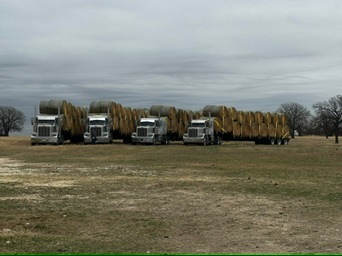
Trucks hauling timber across a rural field
Internal Product Initiative · Joint FCG + Fuzion Chickasaw Group
Support Beacon Logistics™
Internal Product Development · January 2026–Present · In Development
A planned logistics product for commercial, enterprise, nonprofit, and humanitarian operations; current target: Spring 2027.
FleetWarehouseField Delivery
View Project Details →

Founding Team Client Delivery

426+
Documented Artifacts
<6 Wk
Discovery Delivery
2023+
Ongoing Support
3 Phases
Structured Engagement
Enterprise Project Management System
Founding Team · via Fuzion Consulting Group
Enterprise Project Management System (EPMS)
Major Electric Utility · Phoenix Metro · 2023–Present
Mission-critical utility platform supporting project lifecycle management, forecasting, accounting workflows, and operational planning across multiple business units.
IT Discovery426+ ArtifactsModernization
View Project Details →
3P Lifecycle Management System
Founding Team · via Fuzion Consulting Group
3P Lifecycle Management System (3P App)
Major Electric Utility · Phoenix Metro · Jan 2025–Mar 2026
Enterprise document governance platform automating the full lifecycle of processes, procedures, and policies across non-nuclear generation operations.
Power AppsMicrosoft 365Governance
View Project Details →
Alarm Response Library
Founding Team · via Fuzion Consulting Group
Alarm Response Library (ARL) App
Major Electric Utility · Phoenix Metro · 2024–2025
Centralized alarm response management automating creation, review, and approval of power plant equipment alarm responses in a regulated generation environment.
Power AppsWorkflowCompliance
View Project Details →
Equipment Specification Library
Founding Team · via Fuzion Consulting Group
Equipment Specification Library (ESL) & PDL Alignment
Major Electric Utility · Phoenix Metro · 2024–2025
Enterprise initiative standardizing and centralizing equipment specifications and document libraries to improve governance, traceability, and alignment across generation systems.
SharePointPower BIAI Copilot
View Project Details →
Functional Decomposition and ADO Requirements
Founding Team · via Fuzion Consulting Group
Enterprise Functional Decomposition & ADO Requirements
Major Electric Utility · Phoenix Metro · Dec 2024–Jun 2025
Enterprise requirements engineering translating complex business and engineering workflows into structured, traceable system requirements to support EPMS platform evaluation.
Azure DevOpsRequirementsStrategy
View Project Details →
Generation Document Management Portal
Founding Team · via Fuzion Consulting Group
Generation Document Management Portal (GDMP)
Major Electric Utility · Phoenix Metro · 2021–Present
Custom Microsoft 365–based document management platform supporting construction, engineering, and generation operations through long-term development, integration, and SLA support.
Microsoft 365Custom DevSLA Support
View Project Details →
Generation Training and Change Management
Founding Team · via Fuzion Consulting Group
Generation Training & Change Management Modernization
Major Electric Utility · Phoenix Metro · Nov 2024–Nov 2025
Enterprise training and change management program supporting adoption of modernized Generation systems through standardized processes, centralized training, and AI-enabled learning assets.
Change MgmtAI TrainingWorkforce
View Project Details →
Project Management Basis SharePoint Library
Founding Team · via Fuzion Consulting Group
Project Management Basis (PMB) SharePoint Library
Major Electric Utility · Phoenix Metro · 2024–2025
Centralized project governance platform providing a single source of truth for project processes, stage gate lifecycle guidance, and engineering standards across generation operations.
SharePointGovernanceDashboards
View Project Details →
Support Beacon Relief
Joint Delivery · FCG + Fuzion Chickasaw Group
Support Beacon Relief™ — Fuzion Logistics Application
Rancher Navy (Nonprofit) · Central Texas · Delivered · In Active Testing 2026
Disaster relief logistics and volunteer coordination platform automating large-scale, multi-state response operations using AI-driven workflows and cloud infrastructure.
AWSAI WorkflowsMobile-First
View Project Details →
Take Cover severe weather app
Led by Fuzion Chickasaw Group™
Take Cover™ — Community Severe Weather Preparedness App
Local EMS · Calera, Oklahoma · Live & In Testing 2026
Community-focused severe weather preparedness app connecting residents to nearby storm shelters — now live at takecoverapp.com and being tested by local EMS in Calera, Oklahoma. Part of the Fuzion Storm Works™ product family.
Mobile AppCommunity SafetyFuzion Storm Works™
View Project Details →
Rancher Navy search and rescue team with horses
Joint Delivery · FCG + Fuzion Chickasaw Group
Support Beacon Rescue™ — Search & Rescue (SAR) Application
Rancher Navy SAR · Nonprofits & Tribal Nations · In Development 2026
A dedicated Search & Rescue application extending the Support Beacon platform into field coordination for ground teams — deployments, team locations, assignments, and real-time search coordination. Built within Fuzion’s SB217™ platform suite.
Search & RescueMobile-FirstSB217™ Suite
View Project Details →
Ready to Put This Experience
to Work for Your Organization?
Same founding team. Same commitment. Purpose-built for tribal and community organizations.
Fuzion Companies™
Faith. Service. Precision. Community.
Pursuing DBE CertificationsMinority & Native American Woman-Owned
Founded by Donna Webb · Chickasaw Nation
Fuzion Chickasaw Group™

Thoughtful Technology for Organizations That Serve Communities

Founded in 2025 by Proud Chickasaw Nation Citizen Donna Webb to bring the proven delivery capabilities of Fuzion Consulting Group to Native American tribes, tribal enterprises, and community-focused organizations — grounded in sovereignty, accountability, and long-term partnership.

Donna WebbDW
Founder · Proud Chickasaw Nation Citizen · The Reason This Company Exists
Donna Webb
Founder & CEO, Fuzion Chickasaw Group
"Fuzion Chickasaw Group exists because I believe our community — the Chickasaw Nation and tribes across Oklahoma and beyond — deserves the same level of expertise and operational excellence that we've built for enterprise clients. This isn't a certification play. This is personal. This is purpose."
Donna co-founded Fuzion Consulting Group in 2019 alongside Dan Goretskie and has served as COO, leading client relationships, operations, and delivery programs across utility, construction, and enterprise technology engagements. As a proud Chickasaw Nation Citizen and the Founder and President of Fuzion Chickasaw Group, she brings authentic community connection alongside deep operational and technology expertise.
Proud Chickasaw Nation Citizen Founder & CEO · FCG Chickasaw Co-Founder & COO · Fuzion Consulting Group
2025
Founded in Calera, OK
35+
Years Combined
Experience
15+
Team Members
3
Fuzion Companies™
Meet the Team

Shared Leadership, Focused Mission

Fuzion Chickasaw Group draws from the same leadership team as Fuzion Consulting Group — experienced professionals focused on a purpose-built mission for tribal and community organizations.

Founders — Fuzion Chickasaw Group
Donna WebbDW
Donna Webb
Founder & Chief Executive Officer
Fuzion Chickasaw Group
Learn More →
Dan GoretskieDG
Dan Goretskie
Co-Founder & Chief Operating Officer
Fuzion Chickasaw Group
Learn More →
Leadership Team
AndyAM
Andy Much
Principal Solutions Leader
Learn More →
PragPP
Prag Padilla
Principal Solutions Leader
Learn More →
Pat SagaserPS
Pat Sagaser
Principal Solutions Engineer
Learn More →
Dennis Del GrossoDD
Dennis Del Grosso
Principal Engineering Leader
Learn More →
CharlesCE
Charles Eder
Principal Technology Program Manager
Learn More →
ShirleySP
Shirley Patterson
Principal Accounting & Human Resources Leader
Learn More →
Consulting & Support Team
MonicaMM
Monica Mariscal
Sr. Document Controls Analyst
Learn More →
LisaLH
Lisa Holliday
Sr. Document Controls Analyst
Learn More →
Our Relationship with Fuzion Consulting Group
Fuzion Chickasaw Group and Fuzion Consulting Group share the same founding leadership team, delivery methodology, and operational standards. We are distinct companies with distinct missions — Fuzion Consulting Group serves regulated enterprise environments broadly, while Fuzion Chickasaw Group focuses on Native American tribes, tribal enterprises, and community-focused organizations. Clients of either company benefit from the combined experience and resources of the full Fuzion family.
Visit fuzionconsultinggroup.com →
Fuzion Companies™
Faith. Service. Precision. Community.
Pursuing DBE CertificationsMinority & Native American Woman-Owned
Principal Advisors

Strategic Perspective Across
The Markets We Serve & Grow

Fuzion Consulting Group™ and Fuzion Chickasaw Group™ are supported by a trusted network of Principal Advisors — experienced leaders who provide strategic perspective across the industries we serve today and the markets we are intentionally expanding into.

Our Principal Advisors offer real-world insight grounded in operations, regulation, and execution. They help ensure Fuzion’s solutions remain practical, credible, and aligned with real market conditions.

What Principal Advisors Do
  • Provide strategic guidance grounded in hands-on industry experience
  • Advise on market entry, positioning, and growth
  • Ensure solutions reflect real operational and regulatory needs
  • Strengthen Fuzion’s ability to serve complex, regulated environments

This model allows Fuzion to remain agile while benefiting from credible, external perspective.

Meet Our Principal Advisors
Amy Houston Gaddis
Amy Houston Gaddis
Principal Advisor
View Profile →
Morgan Broome
Morgan Broome
Principal Advisor
View Profile →
Sean Goretskie
Sean Goretskie
Principal Advisor
View Profile →
Robert S. Olson
Robert S. Olson
Principal Advisor
View Profile →
Strategic Perspective.
Practical Execution.
Engagements grounded in real-world insight from leaders who’ve operated in the markets we serve.
Fuzion Companies™
Faith. Service. Precision. Community.
Pursuing DBE CertificationsMinority & Native American Woman-Owned
News

Latest News & Announcements

Fuzion Companies™
Faith. Service. Precision. Community.
Pursuing DBE CertificationsMinority & Native American Woman-Owned
Our Values & Social Responsibility

Building Technology With Purpose,
Integrity & Community Impact

Our values are rooted in the Fuzion Companies™ ethos — Faith. Service. Precision. Community. — expressed through the lens of sovereignty, accountability, and long-term community partnership.

Fuzion Chickasaw Core Values

What Guides How We Work

01
Sovereignty First
We approach every tribal engagement with respect for governance structures, data sovereignty, and the legal and cultural rights of the communities we serve. Technology should strengthen sovereignty, not compromise it.
02
Client Partnership
The strongest outcomes come from genuine collaboration. We work closely to understand each organization's unique realities — building trusted partnerships, not transactional engagements.
03
Practical Innovation
Innovation should solve real problems. We apply modern technologies — AI, automation, cloud — in ways that are intuitive, community-ready, and grounded in long-term value.
04
Integrity & Accountability
We operate with transparency and accountability. Our clients trust us with critical systems and important decisions — and we honor that trust through disciplined, ethical delivery.
05
Community Impact
Social responsibility is embedded in how we do business. When Fuzion Founder Dan Goretskie volunteered to haul hay during a disaster response, he connected with Rancher Navy founders Morgan Broome and Amy Houston Gaddis — and that act of service became the foundation of Support Beacon Relief™. This is what community impact looks like in practice.
06
Scalable Sustainability
We design solutions that grow with our clients — systems built for long-term success, supporting organizational independence and capacity-building over time.
Purpose-Driven Work Matters.
We partner with organizations that care about innovation, responsibility, and long-term community impact.
Fuzion Companies™
Faith. Service. Precision. Community.
Pursuing DBE CertificationsMinority & Native American Woman-Owned
Contact Fuzion Chickasaw Group

Let's Start a Conversation.

Whether you need technology modernization, document management, program support, or strategic consulting — we're here to help your organization move forward with clarity and confidence.

Get in Touch

Tell us about your organization and what you're trying to accomplish. We'll respond within one business day and connect you with the right person on our team.

Phone
(760) 685-5466
General Inquiries
contact@fuzionchickasawgroup.com
Headquarters
Calera, Oklahoma
Serving OK · TX · KS and nationwide
Why Fuzion Chickasaw Group™
→Founded by Proud Chickasaw Nation Citizen Donna Webb
→35+ years of combined team professional experience
→Sovereignty-aware technology and governance approach
→Long-term partnerships, not transactional engagements
→Pursuing DBE certifications (MWBE & Native American Woman-Owned)
Tell Us What You Need
This opens a draft in your email app; you choose when to send it. We typically respond within one business day.
Your inquiry is not uploaded by this website. Sending uses your email provider. Google Fonts receives connection information when fonts load.
Tribal & Community Priority · Construction

Tribal Construction & Document Management

Document control, project tracking, and field productivity platforms built for tribal housing, infrastructure, and construction programs.

Tribal housing authorities, infrastructure initiatives, and construction programs run on documentation, deadlines, and accountability to councils and funders. We bring the same document-management and project-control discipline our founding team delivered on large enterprise and government programs — adapted to the scale, governance, and reporting realities of tribal organizations.

What We Deliver

  • Document control systems — centralized submittals, RFIs, drawings, and contracts with full version history and permission-based access.
  • Project & field tracking — schedules, milestones, and progress visibility connecting the office to the job site.
  • Funder & council reporting — clean, audit-ready reporting aligned to federally funded and tribally funded program requirements.
  • Mobile field capture — photos, inspections, and daily logs collected on-site, even in low-connectivity environments.

Why It Matters

Grant-funded and sovereignty-driven construction programs require records that withstand audit and leadership scrutiny. We build systems that protect that accountability while reducing the administrative burden on your team.

How does tribal construction document management improve project control?

Tribal construction document management creates one organized record for drawings, contracts, submittals, RFIs, schedules, and field evidence. That shared structure helps housing, infrastructure, and construction teams find current information, clarify ownership, and prepare consistent updates for councils, funders, contractors, and internal reviewers.

The engagement can include process review, permissions, migration, and team training.

What construction records can the system organize?

The system can organize the project records teams already rely on, including drawings, contracts, submittals, RFIs, schedules, inspections, photos, and daily logs. The exact structure follows your program’s terminology, approval paths, funding requirements, and document responsibilities rather than imposing an unrelated construction template.

Version history and permission-based access support accountable records without assuming every user needs the same visibility.

Can field teams capture information where connectivity is limited?

Yes, the capability is designed to support mobile field capture for photos, inspections, and daily logs in remote or low-connectivity environments. The final workflow depends on the selected platform and requirements, but discovery specifically considers site conditions, device use, synchronization needs, and how field evidence returns to office records.

Field testing helps confirm that the proposed workflow fits actual job-site conditions before rollout.

How are council and funder reports supported?

Council and funder reporting is supported by structuring project information around the milestones, approvals, costs, risks, and evidence those audiences need to review. Rather than promising a universal report, the engagement maps required outputs to available records and establishes repeatable views that reduce last-minute manual compilation.

Reporting requirements are confirmed during discovery and aligned with the program’s actual funding and governance cycles.

What does a typical construction engagement include?

A typical engagement includes discovery and process review, platform configuration, data migration where appropriate, and team training. The work can begin with one program or document flow, then expand as responsibilities and reporting needs become clearer. Ongoing support is available when the organization needs help sustaining the system.

The scope is sized to the authority, staffing, records, and delivery stage of the program.

How does this approach support audit readiness?

This approach supports audit readiness by giving important project records clearer ownership, version history, permissions, and reporting routines. It does not replace funder rules or legal advice; it helps teams operationalize the records and approvals those rules require so leadership can review a more consistent account of project activity.

Controls are designed with your governance structure and funding obligations, not added as generic bureaucracy.

Tribal & Community Priority · Governance

Tribal Government Modernization

Workflow automation, reporting dashboards, and system integration that modernize operations while respecting governance and sovereignty.

Tribal governments balance service delivery, compliance, and accountability to citizens and councils — often on systems that no longer keep pace. We modernize operations in ways that honor existing governance structures and self-determination, rather than forcing a one-size-fits-all enterprise template onto your nation.

What We Deliver

  • Workflow automation — replace manual, paper-bound processes with streamlined digital workflows for permits, requests, and approvals.
  • Reporting dashboards — leadership-ready visibility into operations, budgets, and program outcomes.
  • System integration — connect departments and legacy systems so data flows without duplicate entry.
  • Governance-respecting design — access, approvals, and records structured around your nation’s decision-making and data sovereignty requirements.

Why It Matters

Modernization should strengthen sovereignty, not compromise it. We keep your data, your governance, and your community at the center of every decision.

What does tribal government modernization change first?

Tribal government modernization usually starts with the operational friction that staff and residents experience most, such as manual requests, disconnected records, unclear approvals, or limited reporting. The work then maps those needs to governance, sovereignty, and capacity requirements before recommending phased workflow, dashboard, or integration improvements.

Starting with a focused process keeps modernization practical while preserving a longer-term roadmap.

How do you respect tribal governance during modernization?

Governance is treated as a design requirement rather than an afterthought. Access, approvals, records, and reporting are shaped around your nation’s decision-making structures, jurisdiction, and data sovereignty expectations. Discovery includes the people who own and use each process so modernization supports self-determination instead of importing a one-size-fits-all model.

The resulting roadmap identifies decisions your leadership must make before technical implementation begins.

Can legacy systems be integrated with new workflows?

Legacy systems can be considered as part of a modernization plan, but integration depends on their interfaces, data quality, permissions, and operational role. We first document where duplicate entry or disconnected information creates avoidable effort, then prioritize practical connections, exports, or staged replacement rather than promising that every system can connect.

A technical assessment makes dependencies and tradeoffs visible before implementation is selected.

What government workflows are good candidates for automation?

Good candidates are repeatable workflows with clear ownership, defined decisions, and information that must move between departments. Examples can include permits, requests, approvals, reporting, and status notifications. The right starting point is the process that creates meaningful administrative burden while still allowing governance leaders to define appropriate controls.

Automation follows process clarity; it is not used to hide unresolved policy or ownership questions.

How can leaders gain better operational visibility?

Leaders gain better operational visibility when teams agree on the measures, definitions, sources, and access rules behind a report. Dashboards can then present a focused view of workloads, program activity, budgets, or outcomes without exposing information to people who should not see it. The result is clearer review, not simply more charts.

Reporting design begins with leadership questions and the records available to answer them.

What does a modernization engagement deliver?

A modernization engagement can deliver an operational assessment, prioritized roadmap, phased workflow implementation, system integration planning, and staff enablement. The exact outputs depend on departmental goals and capacity. Each phase is intended to leave behind clearer decisions, usable processes, and a realistic path for the organization to maintain its progress.

The engagement can start small and expand as governance owners validate each phase.

Tribal & Community Priority · PMO

Program & Project Management

PMO frameworks, stage-gate governance, and delivery discipline for federally funded programs and tribal enterprise initiatives.

Federally funded programs and major tribal enterprise initiatives demand structure: clear milestones, defined ownership, and reporting that satisfies both leadership and funders. We bring proven program- and project-management frameworks that keep complex efforts on scope, on schedule, and accountable.

What We Deliver

  • PMO frameworks — right-sized governance, templates, and cadences that fit your organization rather than overwhelm it.
  • Stage-gate governance — decision checkpoints that control risk and protect funding compliance.
  • Delivery discipline — planning, tracking, and status reporting that keep stakeholders aligned.
  • Risk & dependency management — early visibility into issues before they threaten timelines or budgets.

Why It Matters

When programs are funded by grants and trusted by communities, disciplined delivery isn’t bureaucracy — it’s the foundation of accountability and renewed funding.

When does a tribal organization need a PMO framework?

A tribal organization may need a PMO framework when several projects compete for attention, funding conditions require consistent reporting, or leaders lack a shared view of milestones, risks, and ownership. The framework should be right-sized to the portfolio, giving people useful structure without adding ceremonies that do not improve decisions.

A stand-up or rescue engagement can establish the minimum governance needed first.

How do stage gates improve program accountability?

Stage gates improve accountability by creating explicit decision points before a program moves into its next phase. Each gate can confirm scope, readiness, risks, funding, ownership, and required approvals. That shared checkpoint gives leadership an opportunity to resolve uncertainty early instead of discovering it after commitments, schedules, or budgets have become harder to change.

Gate criteria are adapted to the organization’s authority, funding, and delivery context.

What does program status reporting include?

Program status reporting typically brings together milestone progress, decisions, risks, dependencies, budget or funding context, and actions with clear owners. The format is agreed with leadership and delivery teams so reports answer the questions they actually use. It should create a durable record of program health, not just a polished weekly snapshot.

Reporting cadence and detail can differ between executive, council, funder, and working-team audiences.

How do you manage project risks and dependencies?

Risk and dependency management starts by making uncertainties visible, assigning owners, recording planned responses, and reviewing changes at a consistent cadence. The approach connects issues across projects when one decision or delay affects another. It does not eliminate risk; it helps leaders see potential impacts early enough to make informed tradeoffs.

The register and review routine are tailored to the portfolio’s size and reporting obligations.

Can PMO practices work with grant-funded programs?

Yes, PMO practices can be aligned with grant-funded programs by connecting milestones, approvals, records, deliverables, and reporting dates to the funding requirements already in place. The goal is not to create a second administrative system. It is to make existing commitments easier to track, review, and communicate to funders and leadership.

Funding rules remain authoritative; the PMO provides an operating structure around them.

What does a program-management engagement include?

A program-management engagement can include a PMO stand-up or rescue, framework design, hands-on program leadership, status routines, risk management, and knowledge transfer. The work may focus on one initiative or a connected portfolio. Scope is set around the decisions, reporting, and delivery gaps creating the greatest accountability risk.

Knowledge transfer helps internal staff sustain the framework after the engagement.

Business & Professional Consulting · BPO

Process & Automation

Improve the work before deciding what to automate—clarifying responsibilities, handoffs, ownership, controls, adoption, and measures of success.

Every organization accumulates workarounds, duplicated effort, and processes that no longer serve their purpose. We help community organizations and tribal enterprises map how work actually happens, improve the process first, and then determine where automation creates real value.

What We Deliver

  • Process mapping — document current-state workflows to expose bottlenecks and redundancy.
  • Optimization & redesign — streamline steps, clarify ownership, and remove low-value effort.
  • Process design & adoption — define responsibilities, handoffs, controls, and the practical changes people need to sustain.
  • Automation priorities — identify where technology can eliminate manual, repetitive tasks after success measures are clear.
  • Goal alignment — connect day-to-day operations back to mission and strategic priorities.

Why It Matters

Business consulting sets the priorities and measures of success. Technology consulting builds the automation where the evidence shows it will help.

How do you decide what process to improve first?

We prioritize processes by looking at mission impact, staff burden, repetition, risk, handoffs, and the clarity of the desired outcome. That evidence helps identify a practical starting point instead of automating the loudest complaint. The selected process is then mapped with the people who perform and own it.

Priorities remain connected to organizational goals and measurable improvement.

Should process improvement happen before automation?

Process improvement should usually come before automation because technology can make an inefficient or unclear process move faster without making it better. We document the current state, clarify responsibilities and controls, remove avoidable steps, and define success measures before deciding which repetitive work is appropriate for automation.

The sequence protects adoption and makes the eventual business case easier to evaluate.

What kinds of work can be automated?

The strongest automation candidates are repetitive, rules-based tasks with stable inputs, clear ownership, and a defined outcome. Examples may include routing, notifications, data entry, approvals, and document handoffs. Suitability depends on risk, exceptions, systems, and human judgment, so the assessment avoids promising automation where review remains essential.

Automation priorities are documented alongside exceptions and control requirements.

How do you keep process changes practical for staff?

Changes stay practical when staff describe how work actually happens, test proposed workflows, and help define responsibilities, handoffs, and measures. We pair process design with adoption support rather than handing over a diagram. That approach makes room for operational realities while still addressing unnecessary effort, ambiguity, and inconsistent controls.

Training and feedback are planned around the people and work affected.

How is success measured after a process change?

Success is measured against the outcome agreed before implementation, which may include reduced manual effort, clearer ownership, fewer handoff problems, better cycle visibility, or more consistent completion. The measures should be practical to collect and meaningful to the organization. We review evidence before recommending additional automation or expansion.

Measurement prevents a technology rollout from being mistaken for an operational result.

What does a process and automation engagement include?

A typical engagement includes process discovery, current-state mapping, a prioritized improvement plan, redesigned workflows, automation recommendations, implementation support, and measurement of results. The scope can remain focused on one process or establish a repeatable improvement method. Decisions are grounded in your goals, capacity, controls, and available systems.

The work can stop at recommendations or continue through implementation and adoption.

Business & Professional Consulting · Nonprofit

Nonprofit Evaluation & Automation

Evaluation frameworks, automation, and visibility that help mission-driven organizations do more with limited resources.

Nonprofits and community organizations carry outsized missions on constrained budgets. We help you measure what matters, automate the routine, and surface the data you need to demonstrate impact to boards, funders, and the communities you serve.

What We Deliver

  • Evaluation frameworks — define outcomes and metrics that show real mission impact.
  • Automation — reduce manual administrative work so staff time goes to programs, not paperwork.
  • Visibility & reporting — dashboards and reports that make grant and board reporting faster and clearer.
  • Capacity building — tools and practices your team can sustain after the engagement ends.

Why It Matters

Clear evidence of impact strengthens funding relationships and helps you direct scarce resources where they do the most good.

What should a nonprofit evaluation framework measure?

A nonprofit evaluation framework should measure outcomes connected to the organization’s mission, not simply activity volume. It can define the people served, intended change, useful indicators, evidence sources, and review cadence. The framework is sized to available capacity so staff can use it for learning, reporting, and better decisions.

Measures are developed with program owners, boards, funders, and community context in mind.

Can evaluation work support grant and board reporting?

Yes, an evaluation framework can support grant and board reporting by connecting program activity and evidence to agreed outcomes. It creates a clearer line between what the organization did, what changed, and what remains uncertain. Reports still follow each funder’s requirements, while shared definitions reduce repeated manual explanation.

Reporting views can be designed for different audiences without changing the underlying measures.

What nonprofit administrative work is suitable for automation?

Suitable nonprofit automation often includes repetitive administrative work such as intake routing, reminders, standard approvals, record updates, and recurring report preparation. The right choice depends on data sensitivity, exceptions, staff judgment, and the systems already in use. Automation should protect service quality and privacy rather than simply reduce clicks.

Human review remains part of workflows where decisions affect people or eligibility.

How can a small nonprofit sustain the solution?

A small nonprofit can sustain the solution by choosing a manageable scope, documenting ownership, using tools the team can access, and training staff around repeatable routines. The design should account for turnover, limited administrative capacity, and grant cycles. Capacity building is part of the engagement, not an afterthought once technology is delivered.

The resulting practices and tools are intended to remain usable after outside support ends.

How do you protect mission and community context?

Mission and community context guide which outcomes matter, how information is collected, and who should see it. We involve program and community perspectives when defining measures and workflows, while respecting privacy and organizational governance. That keeps evaluation from becoming a detached reporting exercise and helps evidence serve learning and accountability.

No universal metric set is assumed; the framework reflects the organization’s purpose and commitments.

What does a nonprofit evaluation engagement include?

A typical engagement includes needs assessment, outcome and measure design, reporting or dashboard planning, automation opportunities, rollout support, and staff training. The work can begin with one program or recurring report, then expand as evidence and capacity develop. Scope is shaped by mission priorities, resource limits, governance, and funder context.

The emphasis is usable evidence and sustainable practice, not unnecessary measurement overhead.

Business & Professional Consulting · Strategy

Strategy & Change Management

Transformation guided by stakeholder alignment and adoption support — bringing people along rather than leaving them behind.

Technology and process change only succeed when people embrace them. We pair strategic planning with disciplined change management so modernization sticks — respecting community context and the relationships that hold organizations together.

What We Deliver

  • Strategic planning — clarify priorities and a realistic path to reach them.
  • Stakeholder alignment — engage leadership, staff, and community voices early and often.
  • Change management — communication, training, and support that ease transitions.
  • Adoption measurement — track whether new ways of working are actually taking hold.

Why It Matters

Change imposed from the top rarely lasts. Change built with the people it affects becomes part of how the organization works.

Why does change management matter in modernization?

Change management matters because new technology or processes only create value when people understand them, can use them, and see why the change supports their work. A change plan aligns stakeholders, communication, training, support, and feedback so adoption is treated as delivery work rather than assumed after launch.

The plan is adjusted to the organization’s culture, authority, pace, and affected communities.

How do you align leaders and staff around change?

Alignment starts by making the purpose, decisions, responsibilities, impacts, and measures of the change explicit. Leadership, staff, and relevant community voices are engaged early enough to shape the approach. Their concerns become inputs to the roadmap, communications, training, and sequencing instead of obstacles discovered after implementation.

Different audiences receive the context and practical guidance appropriate to their role.

What happens when teams disagree about the future state?

When teams disagree, the work surfaces the underlying goals, constraints, decision rights, and evidence behind each position. Facilitated discussion can separate policy decisions from process preferences and identify choices leaders must make. The result is not artificial consensus; it is a clearer, documented path with accountable owners.

Unresolved decisions remain visible rather than being hidden inside an implementation schedule.

How is adoption measured?

Adoption is measured through practical signals such as participation, completion, use of the new process, support requests, quality indicators, and feedback from affected teams. The measures are selected with the organization and tied to the intended outcome. They show whether a change is becoming routine, not merely whether training occurred.

Reviews provide opportunities to adjust support before momentum is lost.

How do you support community and stakeholder voices?

Community and stakeholder voices are included through the discovery, alignment, and feedback activities appropriate to the decision. Their role may include identifying needs, testing communication, reviewing impacts, or defining what success should look like. Engagement is structured so participation informs choices while respecting governance, privacy, time, and authority.

The engagement plan identifies whose input is needed, when, and how it will be used.

What does a strategy and change engagement deliver?

A typical engagement delivers strategy facilitation, clarified priorities, a practical change plan, stakeholder alignment, communication and training support, adoption measures, and progress reviews. It can focus on a specific modernization effort or help an organization establish a broader path. Scope follows the decisions, people, and outcomes most affected.

The goal is lasting change that staff can understand, use, and sustain.

Technology Consulting · M365 / Cloud

Microsoft 365 & Cloud

Implementations, governance, and security hardening across Power Platform, Teams, SharePoint, and Azure.

Microsoft 365 and Azure can transform how an organization collaborates — or become a sprawling, ungoverned risk. We deploy, govern, and secure these environments deliberately, tailored to your organization’s scale, compliance needs, and data sovereignty requirements.

What We Deliver

  • Implementations — Teams, SharePoint, and Microsoft 365 rollouts done right the first time.
  • Power Platform — low-code apps, automations, and workflows that extend what M365 can do.
  • Azure environments — cloud infrastructure designed for performance, cost control, and resilience.
  • Governance & security hardening — access controls, data protection, and policies that reduce risk.

Why It Matters

A well-governed cloud environment is secure, cost-effective, and built to grow with you — instead of becoming tomorrow’s cleanup project.

Which Microsoft 365 and Azure services can you support?

The capability covers Microsoft 365 and Azure environments, including Teams, SharePoint, Power Platform, and cloud infrastructure. The right combination depends on your collaboration needs, existing tenant, compliance context, scale, and data requirements. Assessment comes first so implementation strengthens the environment rather than adding disconnected services.

Scope can include implementation, remediation, governance, security hardening, or ongoing support.

How do you approach Microsoft 365 governance?

Microsoft 365 governance defines how sites, teams, applications, permissions, information, and lifecycle decisions are managed. We connect those rules to actual ownership and working practices, then configure controls that fit the organization. The aim is a usable environment with clearer accountability, not a policy document staff cannot apply.

Governance decisions are documented with the people responsible for operating the tenant.

Can you help secure an existing cloud environment?

Yes, an existing environment can be assessed for access, configuration, information handling, governance gaps, and security-hardening priorities. Remediation is then sequenced around risk, operational impact, and available capacity. No environment is assumed to need the same changes, so recommendations remain tied to observed conditions and stated requirements.

Assessment distinguishes immediate controls from longer-term architecture or policy work.

How can Power Platform support operations?

Power Platform can support operations through low-code applications, automations, and workflows that extend Microsoft 365. Useful candidates include structured requests, approvals, notifications, and data views with clear owners. We first confirm process, permissions, data, and support needs so a quick build does not create an unmanaged application estate.

Governance and lifecycle practices are considered alongside the individual workflow.

How do cloud plans account for data sovereignty?

Cloud planning accounts for data sovereignty by making information location, access, ownership, retention, and governance explicit before services are configured. The final design depends on your nation’s requirements and applicable obligations. We use those requirements to shape permissions, architecture, policies, and operating practices rather than treating sovereignty as a generic checkbox.

Your governance and compliance owners remain the decision-makers for sensitive information.

What does a Microsoft 365 engagement include?

A typical engagement includes environment assessment, implementation or remediation, governance framework design, security hardening, and team enablement. It may address one workload or a broader tenant. Ongoing managed support can be considered when the organization needs help maintaining configuration, controls, adoption, and operational stability after the initial work.

The engagement is modular so priorities can match budget, risk, and organizational readiness.

Technology Consulting · AI

AI & Business Process Automation

Connect systems and improve document-intensive work with practical automation, human oversight, and measurable outcomes.

AI should solve real problems, not chase hype. We select automation around the work that needs to improve, connect the systems involved, and preserve human review, access controls, traceable decisions, and tribal data sovereignty.

What We Deliver

  • System & process integration — connect information and workflows across the tools teams already use.
  • AI-powered document workflows — classify documents, extract information, and route review with people in control.
  • Workflow implementation — route approvals, reduce repetitive data entry, and implement tasks and notifications through Power Automate and custom integrations.
  • Governance & measured improvement — evaluate time saved, accuracy, and throughput before wider adoption.

In Practice: Fuzion ConstructWorks™

Fuzion ConstructWorks™, a Fuzion Consulting Group product currently in testing, applies AI document classification and information extraction to configurable construction workflows with human review. Explore The Works Suite →

Why It Matters

Practical AI with human oversight can reduce repetitive work and improve accuracy while keeping sovereignty, governance, and community trust intact.

Where should an organization start with AI automation?

An organization should start with a well-understood process where repetitive work, document volume, or handoff friction creates measurable burden. We assess inputs, decisions, exceptions, controls, and desired outcomes before selecting an AI or automation approach. This keeps the first use case practical, reviewable, and connected to operating needs.

A focused opportunity assessment can precede any proof of concept or production commitment.

How does human oversight work in AI workflows?

Human oversight keeps people responsible for review, exceptions, approvals, and decisions that automation should not make alone. Workflows can route extracted information, recommendations, or flagged records to designated reviewers with traceable steps and access controls. The exact review points depend on risk, policy, data quality, and the consequence of error.

Automation is evaluated around accountable judgment, not positioned as a replacement for it.

What is document AI useful for?

Document AI can help classify documents, extract information, and route review within a defined workflow. It is most useful when documents have repeatable patterns and staff spend significant time sorting or rekeying information. Results still require validation, especially where records affect funding, compliance, eligibility, contracts, or community services.

ConstructWorks illustrates this pattern in testing for configurable construction workflows.

How do you protect data sovereignty in AI projects?

Data sovereignty is protected by identifying what information may be processed, who may access it, where services operate, how records are retained, and which governance rules apply. Those decisions shape architecture, permissions, review, and vendor choices. We do not assume a single AI model or deployment approach fits every tribal organization.

Sensitive-data decisions remain with the organization’s authorized governance and compliance owners.

How are AI outcomes measured?

AI outcomes are measured against the process improvement the organization wants, such as time saved, accuracy, throughput, consistency, or reduced manual handling. Baseline information and review criteria are established before wider adoption where practical. Measurement includes exceptions and human review so speed is not mistaken for a better operational result.

The evidence determines whether to refine, expand, limit, or stop the workflow.

What does an AI automation engagement include?

A typical engagement includes opportunity assessment, process and data review, a proof of concept where appropriate, responsible workflow implementation, governance decisions, testing, and team enablement. The scope can remain narrow until evidence supports expansion. We connect systems and reduce repetitive work while preserving traceable decisions and practical human review.

Implementation choices follow the organization’s risk, capacity, systems, and measurable objectives.

Technology Consulting · Reporting

Reporting & Dashboard Development

Reporting structures and dashboards that turn operational data into leadership insight.

Most organizations have plenty of data and not enough insight. We design reporting structures and dashboards that turn scattered operational data into clear, trustworthy information leaders can act on — with governance and access controls aligned to your organization.

What We Deliver

  • Dashboard development — visual, real-time views of the metrics that matter most.
  • Reporting structures — consistent, repeatable reporting for leadership, boards, and funders.
  • Data integration — pull from multiple systems into a single source of truth.
  • Access & governance controls — the right people see the right data, and nothing more.

Why It Matters

Good decisions depend on good information. We make sure your leaders have it — accurate, timely, and secure.

What makes a dashboard useful to leadership?

A useful leadership dashboard answers defined operational questions with trusted measures, clear definitions, appropriate context, and timely information. It emphasizes the decisions leaders need to make rather than displaying every available metric. Access, ownership, and source data are addressed so visual polish does not conceal uncertainty or inconsistent reporting.

Dashboard scope begins with leadership questions and the decisions connected to them.

Can reports combine information from multiple systems?

Reports can combine information from multiple systems when the sources, identifiers, permissions, definitions, and refresh needs can be reconciled. We assess those dependencies before promising a single view. Integration may involve direct connections, governed exports, or staged improvements, depending on system capability and the organization’s data quality.

The design documents where information comes from and who is accountable for it.

How do you keep reporting definitions consistent?

Consistent reporting starts by documenting metric definitions, calculation rules, source systems, owners, refresh timing, and exceptions. Those decisions are reviewed with the people who use and maintain the reports. A shared structure reduces conflicting numbers across leadership, board, program, and funder views without claiming that every audience needs identical detail.

Governance makes the reporting routine maintainable after the initial dashboard build.

How are dashboard permissions handled?

Dashboard permissions are designed around roles, information sensitivity, audience, and the organization’s governance requirements. Users should see the information needed for their responsibilities without receiving broader access by default. The implementation documents ownership and review points so access can change when teams, programs, or authorities change.

Access controls are part of reporting design, not a final cosmetic setting.

Can dashboards support funder and board reporting?

Dashboards can support funder and board reporting by organizing agreed measures, program progress, outcomes, and supporting context into repeatable views. They do not replace a funder’s required format or an organization’s judgment. The engagement maps reporting obligations to source records so recurring updates are clearer, more consistent, and easier to review.

Different audiences can receive tailored views from governed underlying information.

What does a reporting engagement include?

A typical reporting engagement includes needs analysis, metric and source review, data integration planning, dashboard or report development, access and governance design, testing, rollout, and training. It can begin with one decision or reporting cycle. The final scope reflects available data, audience needs, technical constraints, and the organization’s ability to maintain the result.

The objective is decision-ready information, not a dashboard for its own sake.

Technology Consulting · Mobile

Mobile App Development

Custom mobile solutions for the field — built for remote environments, community access, and operational workflows.

Work doesn’t only happen at a desk. We build custom mobile applications that put tools and information directly into the hands of field teams and community members — designed for the realities of remote environments and limited connectivity.

What We Deliver

  • Field applications — data capture, inspections, and workflows that work on-site.
  • Community access apps — mobile front doors to services and information for the people you serve.
  • Offline capability — reliable operation where connectivity is intermittent or absent.
  • Workflow integration — mobile tools that connect cleanly to your back-office systems.

Why It Matters

Mobile-first tools meet people where they are — improving accuracy, access, and the speed of getting things done.

When is a mobile app the right solution?

A mobile app is appropriate when field teams or community members need timely access to information, data capture, services, or workflows away from a desk. We first confirm the users, conditions, devices, connectivity, and back-office needs. A responsive web experience or another option may be better for some audiences.

The recommendation follows the work and access context, not a preference for mobile technology.

Can mobile apps work in remote or offline environments?

Mobile solutions can be designed for intermittent or absent connectivity by identifying which tasks and records must remain available, what can be stored temporarily, and how synchronization should work. Offline behavior is tested against the field scenario rather than assumed. Device, security, and data-conflict requirements shape the final design.

Field testing validates the workflow before a broader launch is recommended.

What field workflows can a mobile app support?

A field app can support data capture, inspections, photos, checklists, status updates, service access, and workflow steps connected to office systems. The useful scope depends on the team’s actual responsibilities and network conditions. We define the smallest reliable workflow first, then consider additional features after field users validate it.

Workflows are designed around clear ownership and the information the office needs.

How can a mobile app serve community members?

A community-facing app can provide a practical mobile front door to services, information, requests, or updates. Its design should reflect language, access, device, privacy, and support needs rather than assume every resident has the same connectivity or experience. Discovery identifies what the community needs to accomplish and how staff will respond.

Community access is planned alongside the organization’s operating and support capacity.

How does mobile data connect to back-office systems?

Mobile data connects to back-office systems through an agreed information model, integration method, permissions structure, and synchronization approach. We identify the authoritative record and how updates, errors, conflicts, and approvals are handled. This prevents a mobile app from becoming another isolated data store that increases reconciliation work for staff.

Integration decisions are documented before development so operational ownership remains clear.

What does a mobile app engagement include?

A typical engagement includes requirements and experience design, workflow and integration planning, development, field testing, launch, and ongoing support. The team can start with a focused use case and validate it with representative users. Scope accounts for devices, connectivity, privacy, accessibility, support, and the organization’s ability to operate the app.

Testing with real field conditions helps turn a concept into a dependable workflow.

Technology Consulting · Web / App

Application & Web Development

Modern platforms that improve operations, user experience, and visibility — from community portals to enterprise management systems.

When off-the-shelf software doesn’t fit, we build platforms that do. From public-facing community portals to internal tribal enterprise management systems, we deliver modern web and application solutions designed around how your organization actually works.

What We Deliver

  • Custom web platforms — portals and sites tailored to your community and operations.
  • Enterprise applications — management systems that consolidate and streamline core functions.
  • User experience design — intuitive interfaces that people actually want to use.
  • Scalable architecture — built to grow with your organization and integrate with existing systems.

Why It Matters

Purpose-built platforms remove friction, improve visibility, and give your organization technology that fits — instead of forcing you to fit the technology.

When should an organization build a custom application?

A custom application is worth considering when existing tools cannot support important workflows, users, governance requirements, or integrations without costly workarounds. We first clarify the problem, users, records, and constraints. The recommendation may still be configuration or integration rather than a new platform if that better fits the need.

Discovery keeps custom development tied to an operational outcome and sustainable ownership.

What kinds of platforms can you develop?

We develop modern web platforms and applications such as community portals, internal workflow tools, and tribal enterprise management systems. The architecture depends on audience, data, integrations, security, scale, and deployment requirements. Scope is defined through discovery and iterative design so the platform reflects how the organization actually works.

The goal is a useful, maintainable platform rather than technology chosen for its own sake.

How do you design for user experience?

User experience design begins with the tasks people need to complete, the information they need, and the conditions in which they work. We use discovery, clear flows, representative feedback, and iterative testing to reduce friction. Interfaces are shaped around real users, accessibility needs, roles, and community or enterprise context.

Testing helps identify confusing steps before they become embedded in the platform.

Can a custom platform integrate with existing systems?

A custom platform can integrate with existing systems when the available interfaces, data structures, permissions, and operating requirements support a reliable connection. We assess those dependencies early and define authoritative records, synchronization, and error handling. If direct integration is not practical, a staged or governed exchange may be more appropriate.

Integration planning prevents a new application from creating another disconnected workflow.

How do you plan for future growth?

Growth planning starts with an architecture that separates core responsibilities, documents decisions, and leaves room for additional users, workflows, data, and integrations. We avoid overbuilding before the need is proven. Iterative delivery lets the organization validate the foundation, learn from use, and prioritize the next capability with better information.

Scalability is balanced with maintainability, budget, governance, and internal support capacity.

What does an application development engagement include?

A typical engagement includes discovery and design, architecture, iterative development, testing, launch, and a plan for maintenance or support. The team works through user stories, integrations, permissions, content, and operational ownership. Scope can begin with a focused platform release and expand after users validate the workflow in practice.

The delivery path is structured to keep decisions visible and feedback actionable.

Technology Consulting · Support

Maintenance & Support

Ongoing SLA-based support that keeps systems stable and performing — with local accountability and responsive escalation.

Technology doesn’t stop needing care after launch. We provide ongoing, SLA-based maintenance and support that keeps your systems stable, secure, and performing — backed by clear accountability and escalation paths you can count on.

What We Deliver

  • SLA-based support — defined response and resolution commitments you can plan around.
  • Proactive maintenance — updates, monitoring, and tuning that prevent problems before they start.
  • Responsive escalation — clear paths to get the right help quickly when issues arise.
  • Local accountability — a partner who knows your environment and stands behind the work.

Why It Matters

Reliable support protects your investment and keeps your team focused on mission — not on firefighting technology issues.

What does SLA-based support provide?

SLA-based support provides defined response and resolution commitments, escalation paths, ownership, and a shared way to prioritize issues. The exact commitments are set around the systems, hours, risks, and support expectations agreed with the organization. It creates a clearer operating relationship than relying on informal requests or individual availability.

Service terms should reflect business impact and the support capacity both parties can sustain.

What systems can ongoing maintenance support?

Ongoing maintenance can support the applications, platforms, workflows, and environments included in the agreed support plan. Discovery identifies dependencies, ownership, access, documentation, monitoring, and known risks before commitments are made. The scope may include custom applications, cloud services, reporting, or other delivered systems depending on capability and fit.

A clear inventory prevents assumptions about systems or responsibilities outside the engagement.

How does proactive maintenance reduce disruption?

Proactive maintenance reduces avoidable disruption by reviewing updates, configuration, monitoring, performance, dependencies, and recurring issues before they become urgent incidents. It cannot prevent every failure, but it gives teams a routine for identifying and addressing known risks. Priorities are based on system importance, evidence, and the agreed support plan.

Maintenance findings can inform future remediation, roadmap, or training decisions.

How are support escalations handled?

Support escalations follow a documented path that identifies how an issue is reported, triaged, assigned, communicated, and advanced when specialist attention is needed. Severity and business impact guide priority. The organization receives a clearer route to the right help while the support team retains a record of actions, decisions, and next steps.

Escalation rules are tailored to the environment and the people authorized to make decisions.

Can support include knowledge transfer?

Yes, support can include knowledge transfer through documentation, walkthroughs, operating routines, and practical guidance for staff who manage or use the environment. The level depends on internal roles and the desired division of responsibility. Knowledge transfer helps the organization make informed decisions while retaining a dependable path for issues requiring outside assistance.

Documentation is maintained around the systems and procedures covered by the support plan.

What does a maintenance and support engagement include?

A typical engagement includes a support plan tailored to your systems, defined SLAs, monitoring or maintenance routines, issue handling, responsive escalation, and periodic review. The scope may also include updates, tuning, documentation, and advisory work. Commitments are set after understanding the environment, operating hours, risks, and accountability expected.

The goal is stable operation with clear ownership, not an unlimited promise of availability.

Internal Product Development · Fuzion Consulting Group

Fuzion365 FieldWorks™

Microsoft 365 field execution with Bluebeam connectivity and modular delivery.

This is an internal Fuzion product initiative, not a client engagement. Field teams need practical access to current work information without separating field execution from the Microsoft 365 environment already supporting the business.

Current Product Focus

  • Microsoft 365–integrated field execution and collaboration.
  • Bluebeam connectivity for document-centered work.
  • Modular delivery aligned to the operating needs of each team.

Fuzion365 FieldWorks™ is a Fuzion Consulting Group offering, available as SaaS or in a private Microsoft tenant.

Internal Product Development · Fuzion Consulting Group

Fuzion ConstructWorks™

AI document and construction management for complex build environments.

This internal product-development initiative supports controlled documents, clear decisions, and coordination that can stand up to review in complex construction work.

Current Product Focus

  • AI-supported document and construction management.
  • Configurable workflows with human review.
  • Coordination of documents and decisions surrounding complex builds.

ConstructWorks is a Fuzion Consulting Group product in testing, intended for a Fuzion-hosted environment or customer Azure PaaS.

Internal Product Development · Fuzion Consulting Group

Fuzion ProjectWorks™

Long-range forecasts, project controls, and compliance support for capital work.

This is an internal Fuzion product initiative, not a client engagement. It brings forecasting, project controls, and compliance support into a clear, durable record for capital teams.

Current Product Focus

  • Long-range forecasts for capital-work planning.
  • Project controls organized around accountable records.
  • Compliance support designed for regulated operating environments.

ProjectWorks is a Fuzion Consulting Group product in testing, intended for SaaS or a private Microsoft tenant.

Internal Product Development · Fuzion Consulting Group

Fuzion ProgramWorks™

Capital-program governance built around gates, KPIs, and escalations.

This internal product initiative is designed to give program leaders a structured view of decisions, performance, and escalation—not only activity inside individual projects.

Current Product Focus

  • Program governance structured around decision gates.
  • KPI visibility and escalation pathways for leadership.
  • Commercial and government-cloud planning, including GCC and GCC High.

ProgramWorks is a Fuzion Consulting Group product in development for SaaS or private Microsoft tenants.

Enterprise Application · Joint Development

Support Beacon Logistics™

Enterprise logistics coordination born from nonprofit field experience and being developed jointly for broader operations.

Support Beacon Logistics™ was born from our work with nonprofit partner Rancher Navy and the real-world logistics needs encountered through Support Beacon Relief™. That experience established the foundation for a broader enterprise application.

The application is being developed jointly by Fuzion Consulting Group™ and Fuzion Chickasaw Group™ for commercial, enterprise, nonprofit, and humanitarian logistics operations.

Current Product Focus

  • Enterprise logistics coordination across fleet, warehouse, yard, load, and field-delivery operations.
  • Operational visibility for teams managing resources and deliveries across connected locations.
  • Field-informed development applying lessons from nonprofit disaster-relief logistics to broader operational needs.

Development Status

Support Beacon Logistics is not live or generally available. It remains in development with a current target of Spring 2027. Planned capabilities and timing are subject to change before release.

Founding Team · via Fuzion Consulting Group

Enterprise Project Management System (EPMS)

A mission-critical utility platform for project lifecycle management, forecasting, accounting workflows, and operational planning across multiple business units.

Fuzion was engaged by the Generation organization of a large electric utility to assume the assessment, stabilization, and ongoing support of a legacy Enterprise Project Management System (EPMS). The application supports Generation, Operations, and Transmission & Distribution, and is heavily used during seasonal outage planning and execution.

EPMS manages the end-to-end project lifecycle from Stage Gate 1 through Stage Gate 5, including long-range forecasting, accounting integration, and interfaces with the utility’s financial business office. With limited documentation and the original developer retired, the system carried elevated operational and support risk.

Key Challenges

  • Legacy application with limited documentation and institutional knowledge.
  • Business-critical support across generation, outage, and operations workflows.
  • Stabilization required without disrupting live utility operations.

A Three-Phase Engagement

  • Phase 1 — IT Discovery & Risk Assessment: a complete technical and operational assessment delivered in under six weeks, producing 426+ documented artifacts.
  • Phase 2 — Business Process Mapping: documented how EPMS supports real operational workflows and surfaced inefficiencies and control gaps.
  • Phase 3 — Stabilization, Break/Fix & Enhancements: ongoing support with ServiceNow incident tracking, Power BI analytics, and a forward modernization roadmap.

Results & Value

  • Stabilized a business-critical enterprise application and eliminated institutional knowledge gaps.
  • Improved auditability, governance, and long-term supportability.
  • Established a scalable path toward a modern Microsoft 365–based architecture.
Founding Team · via Fuzion Consulting Group

3P Lifecycle Management System (3P App)

An enterprise document governance platform automating the full lifecycle of processes, procedures, and policies across non-nuclear generation operations.

Fuzion was engaged by the Generation organization of a large electric utility to design and deliver a new 3P Lifecycle Management System (3P App) — a mission-critical platform governing all non-nuclear documents across the utility’s generation fleet.

The 3P App replaced fragmented, manual, email-driven document governance with a structured, auditable, role-based system that manages documents throughout their entire lifecycle — creation, review, approval, publication, and long-term maintenance — all within the utility’s Microsoft 365 environment.

Key Challenges

  • Fragmented, manual, and email-driven document governance processes.
  • Limited auditability, centralized control, and lifecycle visibility.
  • Compliance requirements in a regulated generation environment.

What We Delivered

  • Custom Power Apps–based 3P application with structured intake, automated document numbering and naming, and strict version control.
  • Role-based workflows for Drafters, Collaborators, Reviewers, Approvers, and Administrators with actionable Outlook and Teams notifications.
  • Centralized SharePoint repositories with structured metadata and permanent audit history.
  • Power BI dashboards for status, cycle time, and compliance, plus automated Biennial Review tracking and user training materials.

Business Impact

  • Centralized governance of all non-nuclear processes, procedures, and policies.
  • Eliminated manual tracking and email-driven approvals; strengthened audit readiness and regulatory compliance.
  • Established a scalable foundation for long-term digital governance across the generation fleet.
Founding Team · via Fuzion Consulting Group

Alarm Response Library (ARL) App

A centralized alarm response management application automating creation, review, and approval of power plant equipment alarm responses.

Fuzion was engaged to modernize and automate a previously manual alarm response process for power plant equipment alarms — historically managed through disconnected emails and Microsoft Word documents and requiring coordination between plant operations, engineering, and an external Owner’s Engineer.

Built on the Microsoft Power Platform and SharePoint, the centralized Alarm Response Management application replaced manual document handling with structured digital workflows that improved visibility, accountability, and review-cycle efficiency.

Key Challenges

  • Manual, email-driven alarm response coordination.
  • Disconnected Word documents and review workflows.
  • Accountability needed across operations, engineering, and external stakeholders.

What We Delivered

  • Power Apps–based Alarm Response Management application tailored to the utility’s process.
  • Automated creation, review, reroute, and approval workflows with role-based notifications.
  • Structured Issued for Review (IFR) and Issued for Construction (IFC) workflows.
  • Migration of legacy records into SharePoint with versioning, plus Power BI reporting and Teams/Outlook integration.

Business Impact

  • Replaced manual, email-driven processes with a structured, auditable framework.
  • Improved review-cycle discipline and ensured responses were approved prior to implementation.
  • Established a scalable foundation for future operational automation.
Founding Team · via Fuzion Consulting Group

Equipment Specification Library (ESL) & PDL Alignment

Standardizing and centralizing equipment specifications and document libraries to improve governance, traceability, and alignment across generation systems.

Fuzion was engaged by the Generation organization to modernize and automate two mission-critical SharePoint libraries — the ESL and the Plant Document Library (PDL) — that support engineering standards, procedures, and plant documentation essential to generation projects and seasonal spring and fall outages.

The goal was a single, centralized, and standardized location for managing generation documents and specifications in a regulated utility environment, aligned with other Generation automation initiatives.

Key Challenges

  • Fragmented document and specification management across systems.
  • Limited traceability and governance in a regulated environment.
  • Need to align the ESL and PDL with broader generation automation initiatives.

What We Delivered

  • Modernized ESL and PDL SharePoint libraries with structured metadata and taxonomy.
  • Role-based security and automated tracking of newly submitted documents and revisions.
  • Workflow automation for review, updates, and approvals with Power BI dashboards.
  • Power Apps interfaces, Microsoft Teams integration, and AI Copilot–enabled content discovery.

Business Impact

  • Centralized engineering standards and plant documentation in a governed environment.
  • Reduced manual tracking and improved collaboration across engineering and project teams.
  • Supported consistent execution of outage-related work and the broader modernization strategy.
Founding Team · via Fuzion Consulting Group

Enterprise Functional Decomposition & ADO Requirements

Translating complex business and engineering workflows into structured, traceable system requirements to support EPMS platform evaluation.

Fuzion was engaged by the Generation organization and Corporate IT to develop a comprehensive IT Project Charter and Azure DevOps (ADO) functional requirements framework for the EPMS program.

The effort supported a strategic evaluation across Generation, Operations, and Transmission & Distribution — whether to continue investing in existing platforms or transition to commercial SaaS alternatives — and required a formal, defensible, and traceable documentation package.

Key Challenges

  • Lack of standardized, traceable requirements across business units.
  • Need to support enterprise-level platform evaluation decisions.
  • Complex alignment across Generation, Operations, T&D, and Corporate IT.

What We Delivered

  • EPMS IT Project Charter aligned with enterprise governance standards.
  • Current- and future-state architecture and process mapping across business units.
  • Decomposition of business requirements into functional and non-functional requirements.
  • A structured ADO framework of epics, features, and user stories with testable acceptance criteria.

Strategic Value

  • A vendor-neutral decision framework to compare SaaS alternatives against modernized internal platforms.
  • Reduced risk through explicit, measurable, and testable requirements.
  • A reusable ADO framework for future enterprise initiatives.
Founding Team · via Fuzion Consulting Group

Generation Document Management Portal (GDMP)

A custom Microsoft 365–based document management platform for construction, engineering, and generation operations.

The Generation Document Management Portal (GDMP) is a custom Microsoft 365–based document management platform supporting construction, engineering, and generation operations through long-term development, integration, and lifecycle support — in continuous use since 2021.

Key Challenges

  • Fragmented document workflows across construction and generation teams.
  • Need to modernize and standardize document management in a regulated environment.
  • Requirement for long-term scalability, adoption, and operational support.

What We Delivered

  • Designed and developed a custom M365-based document management platform (GDMP).
  • Led pilot testing, iterative development, and enterprise rollout.
  • Provided ongoing SLA-based support and application lifecycle management.

Why It Matters

A single, governed source for critical operational documents — trusted across the enterprise for years and maintained through disciplined application lifecycle support.

Founding Team · via Fuzion Consulting Group

Generation Training & Change Management Modernization

An enterprise training and change management program supporting adoption of modernized Generation systems.

An enterprise training and change management program designed to support adoption of modernized Generation systems through standardized processes, centralized training, and AI-enabled learning assets.

Key Challenges

  • Outdated training materials and inconsistent knowledge-transfer methods.
  • Need to support enterprise-wide adoption of multiple new systems.
  • Lack of standardized, scalable training across generation operations.

What We Delivered

  • Designed and implemented a centralized training and enablement framework.
  • Replaced legacy materials with AI-enabled training videos and documentation.
  • Standardized adoption processes across multiple Generation platforms.

Why It Matters

Smoother adoption and lasting change across multiple Generation systems — equipping the workforce to use new tools confidently.

Founding Team · via Fuzion Consulting Group

Project Management Basis (PMB) SharePoint Library

A centralized project governance platform — a single source of truth for processes, stage-gate guidance, and engineering standards.

The Project Management Basis (PMB) SharePoint Library is a centralized project governance platform providing a single source of truth for project processes, stage gate lifecycle guidance, and engineering standards across generation operations.

Key Challenges

  • Dispersed project management processes and documentation.
  • Lack of standardized governance across project lifecycle stages.
  • Need for centralized access to engineering standards and operational guidance.

What We Delivered

  • Implemented a centralized PMB SharePoint platform for project governance.
  • Consolidated Stage Gate lifecycle, standards, and specifications into a single hub.
  • Enabled structured workflows, dashboards, and improved project visibility.

Why It Matters

Standardized, transparent project governance across the generation portfolio — with a single hub that improves visibility and consistency.

Joint Delivery · FCG + Fuzion Chickasaw Group

Support Beacon Relief™ — Fuzion Logistics Application

A disaster relief logistics and volunteer coordination platform for large-scale, multi-state response operations.

Support Beacon Relief™ has been delivered and is now being actively tested by Rancher Navy and their other nonprofit partners. Fuzion delivered the platform to the founders of Rancher Navy for hands-on field testing — donated at no charge — as communities across the Texas Hill Country mark one year since the catastrophic July 4, 2025, flooding along the Guadalupe River.

Support Beacon Relief™ is a disaster relief logistics and volunteer coordination platform born from Fuzion’s nonprofit partnership with Rancher Navy — founded by Morgan Broome and Amy Houston Gaddis.

Fuzion worked closely with Rancher Navy to automate spreadsheet-driven logistics used to coordinate hay donations, volunteer drivers, disaster locations, and delivery timelines — replacing manual coordination with real-time visibility and automation.

Key Challenges

  • Manual coordination of disaster relief using spreadsheets and phone calls.
  • Limited scalability across multi-state operations and growing response volume.
  • Need for secure, real-time logistics and volunteer management.

What We Delivered

  • Designed and developed a scalable disaster response logistics platform (Support Beacon).
  • Automated coordination of donations, volunteers, routes, and delivery tracking.
  • Built a cloud-based system leveraging AWS, AI tools, and mobile application support.

Looking Ahead

Fuzion is developing an AI-enabled enterprise SaaS version — end-to-end logistics coordination, secure role-based access, real-time tracking, mobile-first workflows, and enterprise reporting — targeted for Fall 2027, continuing alongside nonprofit partners to ensure real-world alignment.

Project · Fuzion Storm Works™

Take Cover™ — Community Severe Weather Preparedness App

Take Cover™ is now live at takecoverapp.com and is being tested by local EMS in Calera, Oklahoma — Fuzion Chickasaw Group’s home community.

Take Cover™ is a community-focused severe weather preparedness platform that maps storm shelters and connects residents to safety when tornadoes and severe storms threaten. Built for tornado country, the app gives residents, tribal governments, and housing communities life-saving visibility into nearby shelter locations when every minute counts.

Field testing with Calera EMS puts the platform in the hands of the first responders who know the community best — validating shelter data, alerting workflows, and real-world usability before broader rollout to additional communities, tribal nations, and housing authorities.

Take Cover™ is part of the Fuzion Storm Works™ product family, led by Fuzion Chickasaw Group™. Learn more on the Fuzion Companies™ products page.

Technology for community safety — connecting residents to storm shelters and empowering tribal governments and housing communities with life-saving tools.
Joint Delivery · FCG + Fuzion Chickasaw Group

Support Beacon Rescue™ — Search & Rescue (SAR) Application

A dedicated Search & Rescue application for nonprofits and tribal nations — field coordination for volunteer ground teams.

Support Beacon Rescue™ is a dedicated Search & Rescue (SAR) application built to support Rancher Navy’s volunteer Search and Rescue operations, other nonprofits, and tribal nations.

Support Beacon Rescue™ extends the Support Beacon platform into field coordination for ground teams — helping SAR volunteers organize deployments, track team locations and assignments, and coordinate searches with the same secure, real-time visibility that Support Beacon Relief™ brings to disaster-relief logistics.

The application was inspired by Rancher Navy’s volunteer Search and Rescue team, whose members answered the call during the July 4, 2025, Guadalupe River flooding in the Texas Hill Country. Fuzion intends to make Support Beacon Rescue™ available to nonprofit SAR organizations and tribal nations.

Looking Ahead

Support Beacon Rescue™ is currently in development within Fuzion’s SB217™ platform suite, alongside Support Beacon Relief™ and the enterprise edition, Support Beacon Logistics™.

Donna Webb

Donna Webb

Founder & Chief Executive Officer, Fuzion Chickasaw Group

Donna Webb is the Founder and Chief Executive Officer of Fuzion Chickasaw Group, where she leads the firm’s strategic direction and operational execution across utility, infrastructure, and public-sector consulting engagements. With extensive experience delivering large-scale, complex EPC and PMO-driven programs, Donna brings a disciplined, results-focused leadership approach centered on safety, governance, cost, schedule, and quality. As a Chickasaw citizen, her leadership reflects a commitment to inclusive growth, trusted partnerships, and advancing sustainable outcomes that create lasting value for clients and communities.

Dan Goretskie

Dan Goretskie

Co-Founder & Chief Operating Officer, Fuzion Chickasaw Group

Dan Goretskie is the Co-Founder and Chief Operating Officer of Fuzion Chickasaw Group, where he supports operational leadership and enterprise delivery across technology and business consulting engagements. With deep experience in enterprise SaaS, digital transformation, and regulated industries, Dan helps guide execution, scalability, and operational alignment in support of the organization’s mission. His leadership is centered on disciplined delivery, trusted partnerships, and building long-term value for clients, communities, and public-sector stakeholders.

Andy Much

Andy Much

Principal Solutions Leader

Andy Much is the Principal Solutions Leader at Fuzion Consulting Group, where he leads the firm’s enterprise application development and digital solutions teams, with deep expertise in Microsoft 365 and Power Platform. With more than two decades of experience spanning custom application development, mobile solutions, and enterprise collaboration platforms, Andy brings a pragmatic, execution-focused approach to complex digital transformation initiatives. His leadership strengthens solution architecture, client engagement, and scalable delivery across utility, EPC, and PMO-driven environments.

Prag Padilla

Prag Padilla

Principal Solutions Leader

Prag Padilla is a Principal Solutions Leader at Fuzion Consulting Group, where he leads solution architecture and technology delivery across financial services, logistics, real estate, and cloud-based platforms. With more than two decades of experience spanning enterprise system engineering, infrastructure modernization, and Microsoft Power Platform development, Prag brings a strong execution-focused approach to complex client environments. At Fuzion, he oversees scalable solution delivery and the development of next-generation logistics platforms supporting nonprofit, public, and private-sector organizations.

Pat Sagaser

Pat Sagaser

Principal Solutions Engineer

Pat Sagaser is an Associate Solutions Engineer at Fuzion Chickasaw Group, bringing deep institutional knowledge and technical leadership to enterprise project and operational systems. With a background spanning nuclear engineering service in the United States Navy and more than three decades supporting large-scale utility environments, Pat has played a central role in designing and evolving enterprise project management and document management platforms. At Fuzion, he is a key contributor to the ongoing stewardship, modernization, and future roadmap of mission-critical systems that support long-range forecasting, capital planning, and operational governance.

Dennis Del Grosso

Dennis Del Grosso

Principal Engineering Leader

Dennis Del Grosso serves as Principal Engineering Leader for Fuzion Chickasaw Group, supporting engineering oversight and capital program execution across utility and infrastructure engagements. With extensive experience leading mechanical design, project execution, and engineering standards for large generating facilities, Dennis brings disciplined, practical leadership to complex, multi-year programs. His work reflects a commitment to engineering excellence, safety, and governance, while supporting sustainable outcomes for clients and public-sector stakeholders.

Charles Eder

Charles Eder

MS, AI, PMP, CISSP
Principal Technology Program Manager

Charles Eder serves as Principal Technology Program Manager for Fuzion Chickasaw Group, supporting technology strategy and delivery for utility, public-sector, and infrastructure engagements. With deep experience leading complex enterprise programs — including billing systems, advanced metering infrastructure, cybersecurity, and grid modernization — Charles provides structured oversight and execution leadership. His work reflects a commitment to operational reliability, regulatory alignment, and delivering sustainable outcomes for clients and communities.

Shirley Patterson

Shirley Patterson

Principal Accounting & Human Resources Leader

Shirley Patterson is the Principal Accounting & Human Resources Leader for Fuzion Chickasaw Group, where she guides financial management, reporting, and organizational compliance. With extensive experience managing high-value budgets, audit readiness, investor reporting, and large-scale commercial property portfolios, Shirley provides the financial discipline required to support sustainable growth. Her leadership reflects a commitment to accountability, strong internal controls, and building operational structures that support long-term success for clients, employees, and communities.

Monica Mariscal

Monica Mariscal

Sr. Document Controls Analyst

Monica Mariscal serves as Senior Document Controls Analyst at Fuzion Consulting Group, supporting document governance, compliance, and operational consistency across regulated client environments. With more than 25 years of experience spanning healthcare, utilities, and enterprise administration, Monica brings a disciplined, detail-driven approach to managing critical documentation and financial processes. Her expertise strengthens compliance readiness, operational reliability, and client confidence across complex consulting engagements.

Lisa Holliday

Lisa Holliday

Sr. Document Controls Analyst

Lisa Holliday serves as Senior Document Controls Analyst at Fuzion Consulting Group, supporting document governance, quality standards, and operational consistency across regulated client environments. With more than three decades of experience in education and professional services, Lisa brings a detail-driven, people-centered approach to managing complex documentation and processes. Her background in mentoring, compliance review, and structured program oversight strengthens clarity, accuracy, and confidence across Fuzion’s enterprise consulting engagements.

Amy Houston Gaddis

Amy Houston Gaddis

Principal Advisor – Agriculture, Ranching & Community Engagement – Nonprofits, Disaster Response & Operations

Amy Houston Gaddis serves as a Principal Advisor to Fuzion Chickasaw Group, offering strategic guidance grounded in generational ranching experience and community engagement. With hands-on involvement in diversified ranch operations and a strong commitment to rural development, Amy provides insight into agricultural sustainability, land use, and community impact. Her perspective strengthens Fuzion Chickasaw Group’s ability to support agriculture-focused, nonprofit, and community-driven initiatives with authenticity and practicality.

Morgan Broome

Morgan Broome

Principal Advisor – Nonprofits, Disaster Response & Operations

Morgan Broome serves as a Principal Advisor to Fuzion Chickasaw Group, offering strategic guidance in nonprofit operations, natural disaster response, and community-focused initiatives. With experience leading large-scale relief efforts and a strong foundation in operations analytics and financial oversight, Morgan provides insight into building efficient, resilient support models for agricultural and rural communities. Her perspective helps align mission-driven programs with disciplined execution and scalable operational practices.

Sean Goretskie

Sean Goretskie

Principal Advisor – Life Sciences, Agriculture & Consumer Markets

Sean Goretskie serves as a Principal Advisor to Fuzion Chickasaw Group, offering strategic guidance across agriculture, life sciences, and sustainability-driven initiatives. With advanced education in agronomy and extensive experience supporting agricultural producers, supply chains, and market development, Sean contributes practical insight into food systems, environmental stewardship, and community impact. His perspective supports Fuzion Chickasaw Group’s mission to align technology, business strategy, and sustainable outcomes for clients and communities.

Robert S. Olson

Robert S. Olson

Retired Kansas State Senator
Principal Advisor – State & Local Government, Utilities

Robert S. Olson serves as a Principal Advisor to Fuzion Chickasaw Group, offering strategic perspective on state and local government, utilities, and public-sector collaboration. With extensive experience navigating legislative, regulatory, and infrastructure-focused environments, Robert provides insight that supports responsible engagement with government stakeholders. His guidance strengthens Fuzion Chickasaw Group’s ability to align technology and consulting solutions with public-sector needs and policy frameworks.

Capabilities · Service Area

Tribal & Community Priority Services

Our lead service area — technology and delivery discipline built specifically for tribal governments, enterprises, and the construction and program work that serves sovereign nations.

This is where Fuzion Chickasaw leads. These services apply the enterprise and government delivery experience of our founding team directly to the governance, compliance, and accountability realities of tribal organizations — without forcing a one-size-fits-all template onto your nation. Everything in this group is designed to respect self-determination while modernizing how the work actually gets done.

What This Covers

  • Tribal Construction & Document Management — document control, project tracking, and field productivity for housing, infrastructure, and construction programs, grounded in proven GDMP and EPMS delivery heritage.
  • Tribal Government Modernization — workflow automation, reporting dashboards, and system integration that modernize operations while honoring governance structures and data sovereignty.
  • Program & Project Management — PMO frameworks, stage-gate governance, and delivery discipline for federally funded programs and tribal enterprise initiatives.

Why It Matters

Grant-funded and sovereignty-driven work demands records and processes that withstand audit and leadership scrutiny. We build the systems and structure that protect that accountability while reducing the administrative burden on your team.

Capabilities · Service Area

Business & Professional Consulting

Process, evaluation, and change-management consulting that helps community organizations and tribal enterprises operate more effectively — with adoption that lasts.

Technology only delivers value when the processes and people around it are aligned. This service area focuses on the operational and human side of modernization — improving how work flows, measuring what matters, and guiding teams through change so improvements actually stick rather than stalling after rollout.

What This Covers

  • Business Process Optimization — improve efficiency and align core processes with organizational goals through practical, achievable improvements built for community and tribal enterprise contexts.
  • Nonprofit Evaluation & Automation — evaluation frameworks, automation opportunities, and visibility that help mission-driven organizations maximize impact with limited resources.
  • Strategy & Change Management — stakeholder alignment and adoption support that brings people along through transformation rather than leaving them behind.

Why It Matters

The biggest risk in any modernization effort is not the technology — it is adoption. We design change around how your people and community actually work, so new processes are embraced and the investment pays off.

Capabilities · Service Area

Technology Consulting

End-to-end build and platform capability — from cloud and AI to custom applications, dashboards, and the ongoing support that keeps it all running.

This is our deepest and broadest service area — the hands-on technology capability behind everything we deliver. Whether you need a platform implemented, a custom application built, decisions automated, or existing systems kept stable, this group covers the full lifecycle with careful attention to data sovereignty and community trust at every step.

What This Covers

  • Microsoft 365 & Cloud — implementations, governance, and security hardening across Power Platform, Teams, SharePoint, and Azure.
  • AI Engineering Solutions — practical AI that reduces overhead and automates decisions, with attention to data sovereignty and ethical deployment.
  • Reporting & Dashboard Development — turning operational data into leadership insight with governance and access controls built in.
  • Mobile App Development — custom solutions for the field, built for remote environments and community access needs.
  • Application & Web Development — modern platforms that improve operations, user experience, and visibility.
  • Maintenance & Support — ongoing, SLA-based support that keeps systems stable and performing, with local accountability.

Why It Matters

Technology built without governance becomes a liability. We deliver capable, modern systems while protecting the data sovereignty and accountability that sovereign nations and community organizations require.

Industries · Primary Focus

Native American

Our primary focus — technology and consulting partnership with tribes, tribal enterprises, Native-owned businesses, and community organizations.

Serving Native American communities is the reason Fuzion Chickasaw exists. Led by Donna, a proud Chickasaw Nation Citizen, we partner with tribes and Native organizations to deliver technology and consulting that respects sovereignty, supports compliance, and strengthens long-term operational sustainability — rather than imposing outside templates that ignore how your nation governs itself.

How We Partner

  • Sovereignty-aware delivery — systems, access, and data structured around your nation’s governance and self-determination.
  • Compliance support — reporting and records that satisfy federal, grant, and tribal program requirements.
  • Operational sustainability — solutions your team can own and maintain, building lasting internal capability.
  • Enterprise & community reach — support across tribal governments, enterprises, Native-owned businesses, and community organizations.

Why It Matters

Too often, technology is delivered to tribal organizations without regard for sovereignty or context. We do the opposite — building trusted, accountable solutions that strengthen the communities they serve.

Industries · Government

Tribal Government

Modernization and program oversight for tribal, federal, state, and local government clients — with particular depth in tribal sovereignty matters.

Government clients balance service delivery, compliance, and accountability to citizens and councils — often on systems that no longer keep pace. We work alongside tribal, federal, state, and local agencies to modernize operations and improve oversight, with particular depth in the jurisdictional complexity and sovereignty matters that define tribal government work.

How We Partner

  • System modernization — replace aging, manual processes with streamlined, accountable digital workflows.
  • Program oversight — dashboards and reporting that give leadership clear visibility into budgets, programs, and outcomes.
  • Jurisdiction-aware design — solutions that respect the jurisdictional and sovereignty complexity tribal governments navigate daily.
  • Audit-ready compliance — records and controls that withstand federal, state, and council scrutiny.

Why It Matters

Public trust depends on accountable, transparent operations. We modernize in ways that honor existing governance and self-determination rather than forcing a one-size-fits-all enterprise template.

Industries · Nonprofit

Nonprofit & Community

Practical technology and governance for mission-driven nonprofits, community foundations, and tribal community organizations.

Mission-driven organizations do critical work with limited resources, and every dollar and hour counts. We support nonprofits, community foundations, and tribal community organizations with practical technology and governance solutions that strengthen impact and accountability — without overwhelming small teams or stretching tight budgets.

How We Partner

  • Right-sized technology — solutions scaled to your team’s capacity, not enterprise overhead.
  • Governance & accountability — structures that build funder confidence and board trust.
  • Efficiency & automation — freeing staff time from manual work so it can go to the mission.
  • Impact visibility — reporting that demonstrates outcomes to funders and the communities you serve.

Why It Matters

For mission-driven organizations, operational strength directly translates into the ability to serve those who depend on them. We help make limited resources go further.

Industries · Construction

Construction

Modern document, project, and field-execution platforms for tribal construction programs, community housing, and Native enterprise builds.

Construction programs run on documentation, deadlines, and accountability to councils and funders. We bring the same document-management and project-control discipline our founding team delivered on large enterprise and government programs — adapted to the scale and governance realities of tribal construction, community housing, and Native enterprise builds.

How We Partner

  • Document control — centralized submittals, drawings, RFIs, and contracts with full version history and permission-based access.
  • Project & field tracking — schedules, milestones, and progress visibility connecting the office to the job site.
  • Funder & council reporting — audit-ready reporting aligned to federally and tribally funded program requirements.
  • Mobile field capture — photos, inspections, and daily logs collected on-site, even in low-connectivity environments.

Why It Matters

Grant-funded, sovereignty-driven construction requires records that withstand audit and leadership scrutiny. We bring audit-grade governance to projects that serve sovereign nations and their members.

Industries · Engineering

Engineering

Workflow, documentation, and system alignment for engineering teams across tribal infrastructure, utility, and community-focused programs.

Engineering work generates enormous volumes of technical documentation and depends on workflows that match how teams actually deliver. We partner with engineering groups across tribal infrastructure, utility, and community programs to streamline those workflows, manage technical documentation, and align systems with on-the-ground reality rather than theory.

How We Partner

  • Workflow streamlining — remove friction from review, approval, and handoff processes.
  • Technical documentation — controlled, searchable management of drawings, specs, and records.
  • System alignment — connect tools and data so engineers spend time engineering, not re-keying.
  • Field-to-office continuity — keep teams in the field and the office working from the same source of truth.

Why It Matters

Systems that fight how the work actually gets delivered slow projects and introduce risk. We design around the real workflow, so technology accelerates delivery instead of obstructing it.

Industries · Utilities

Utilities

Enterprise platform modernization and regulatory alignment for tribal utility authorities and infrastructure organizations.

Utilities operate mission-critical infrastructure where downtime and compliance gaps carry real consequences for the communities served. We work with tribal utility authorities and infrastructure organizations to modernize enterprise platforms, improve regulatory alignment, and support operations where reliability, auditability, and accountability are non-negotiable.

How We Partner

  • Platform modernization — update enterprise systems without disrupting mission-critical operations.
  • Regulatory alignment — structure data and reporting to meet oversight and compliance requirements.
  • Reliability & auditability — controls and records that hold up under scrutiny and keep operations dependable.
  • Operational visibility — dashboards that surface the health of critical systems for leadership.

Why It Matters

The communities that depend on utility services cannot tolerate failure. We modernize with reliability and accountability at the center, because anything less is unacceptable.

Industries · Logistics & Disaster Relief

Logistics & Disaster Relief

Real-time visibility, coordination, and accountability across complex, time-critical operations — from community emergency response to large-scale disaster logistics.

When a crisis hits, coordination and accountability save time, resources, and lives. We deliver solutions that provide real-time visibility across complex, time-critical operations — from tribal community emergency response to large-scale disaster logistics — anchored by SB217™ and Support Beacon Relief™, our joint build with Fuzion Consulting Group™ for Rancher Navy.

How We Partner

  • Real-time visibility — a shared operating picture across teams, resources, and locations.
  • Coordination — tools that keep responders, agencies, and partners aligned under pressure.
  • Accountability — records and reporting that hold up for funders and oversight after the event.
  • Proven platforms — built on SB217™ and Support Beacon Relief™, delivered with Fuzion Consulting Group™ for Rancher Navy.

Why It Matters

Time-critical operations leave no room for guesswork. Real-time coordination and accountability are the difference between a managed response and a missed one.